Rediscovering the Art of Farming
Biodynamics
Biodynamics offers a different perspective on agriculture. It is about understanding a different relationship with the world and with the forces that drive it. Far removed from traditional scientific approaches, it has its origins in the extensive work of Rudolf Steiner, who devoted part of his life to it in the early 20th century. Biodynamics also has its roots in the remnants of ancient cultures.
Rediscovering the Art of Farming
His approach
His approach is based on the observation that the Earth receives life, but does not possess it. Its forces are orchestrated by what is known as the solar system, which generates energetic forces that can be simplified as “solar attraction” and “gravity.” In reality, these forces reflect complex movements originating from the planets. Their rotations and movements impact life on Earth, particularly that of plants.
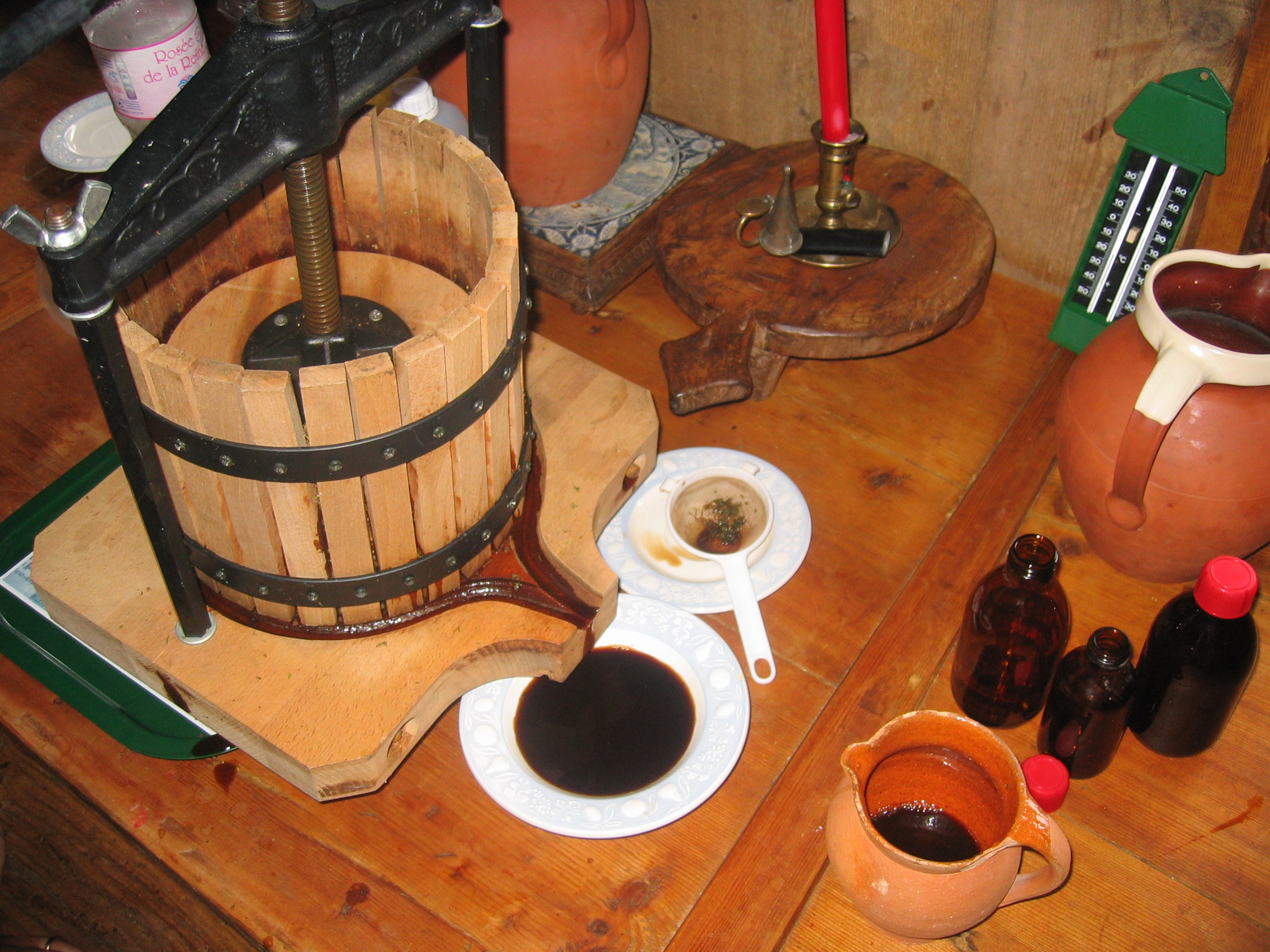
Biodynamic preparations act somewhat like tiny transmitters and receivers, linked to specific processes, which can generate—on a visible level, for example—remarkable microbial life. Furthermore, on a qualitative level, they enable plants—which draw nourishment from these “microcosms”—to open themselves to a harmony and balance that carries rejuvenating forces, referred to by the word “health.”
The vast door opened by Rudolf Steiner in agriculture has made it possible to explain the energetic underpinnings of the physical world—or, if you prefer, the ins and outs of these matrices of forces—that enable the Earth to sustain what we call life, of which nature, in the broadest sense, is an illustration.
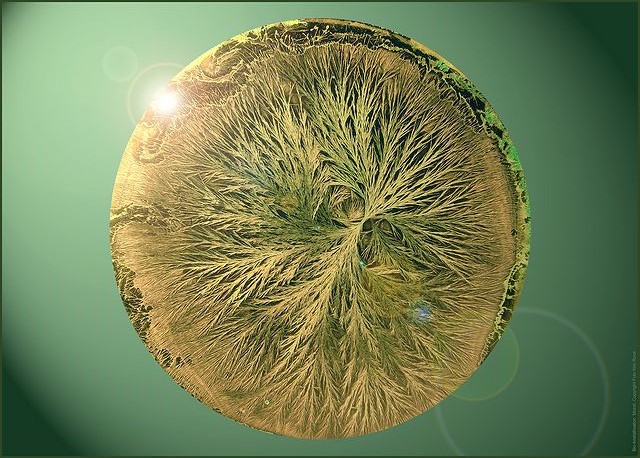
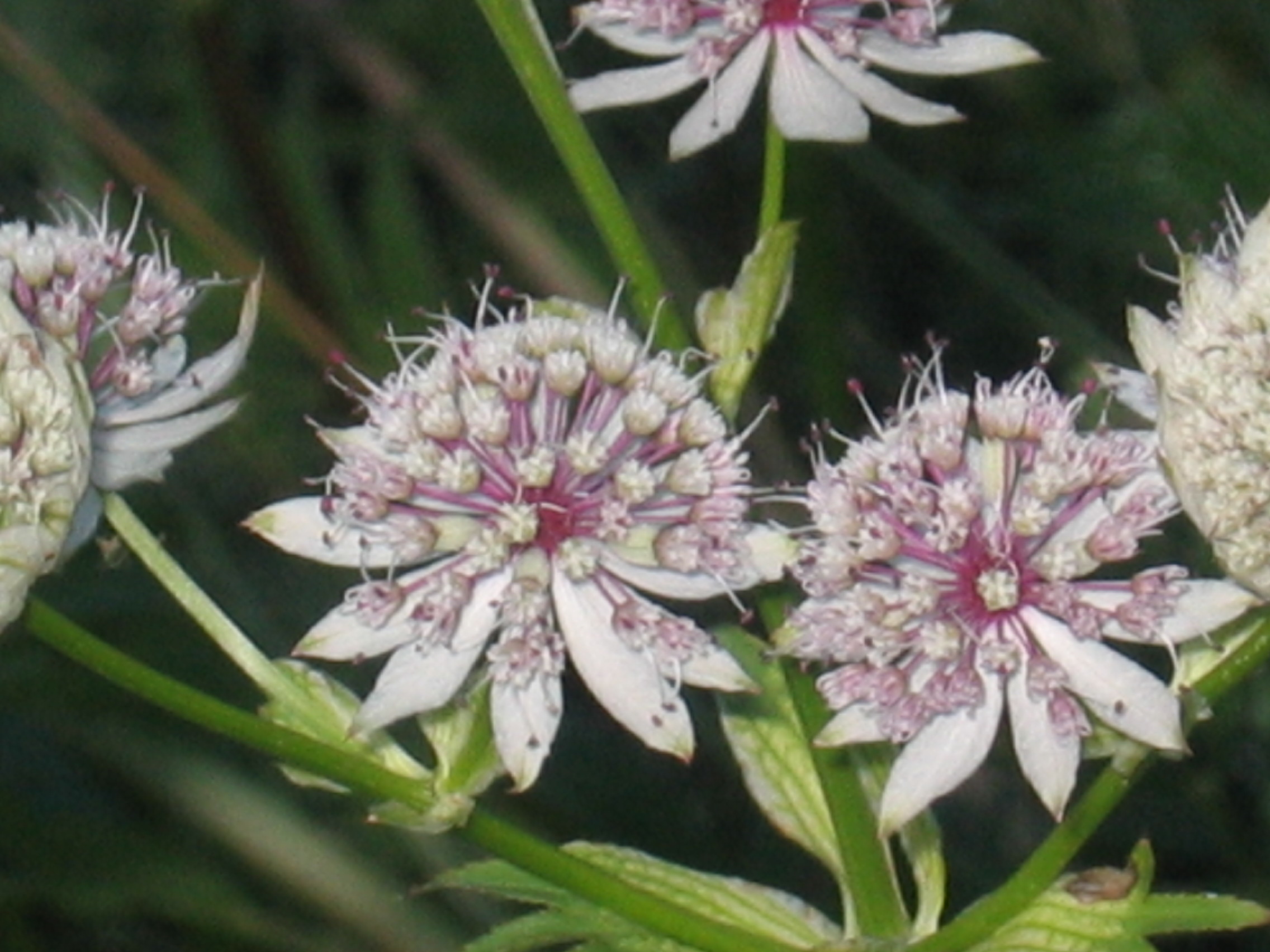
All of this can be measured qualitatively, not quantitatively. What we love about a wine—or, for example, a painting by a great Impressionist artist who has transcended the earthly realm—is what stems from a qualitative, celestial, or solar world. That is why it brings us joy. Art is an elevation of the material world. In agriculture, it must be the same, and this is the very meaning of the term “cultivation.”
In a way, biodynamics creates a connection to these same matrices of forces. Let’s take the example of a vineyard. The tiny buds that are barely visible in March will become branches, leaves, flowers, and then grapes. Several metric tons of matter thus appear on each hectare over the course of six months. It is estimated that 94% of this matter—from which water has been removed (known as dry matter)—comes from photosynthesis, and therefore from the vine’s ability to effectively capture these solar, planetary, and stellar energies and embody them.
That is the defining characteristic of biodynamics: acting at the very moment when energy becomes matter ! It acts on the energetic level, and therefore only indirectly on the physical level. It is in this sense that it differs completely from organic farming. A few grams per hectare of preparations cannot have an effect on the physical level. But on the energetic level, it is essential. This is where biodynamics draws its power—especially in our time, when vital energies have never been so weak. This is the source of its ability to produce “better” wines. And we do the exact opposite when we use those terrible herbicides or systemic pesticides, which poison the life of the soil and the sap.