UNDERSTANGING
The Estate’s Philosophy
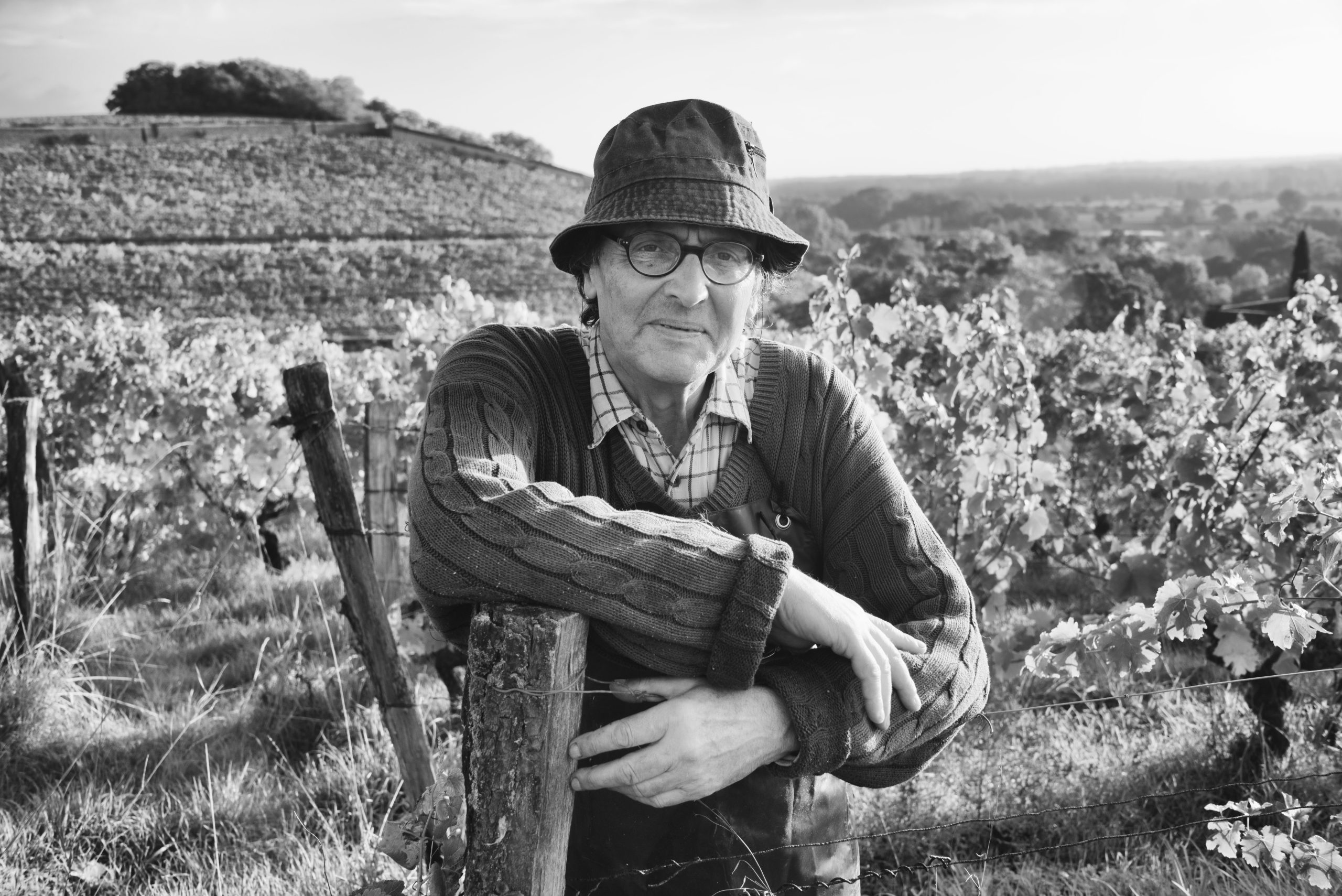
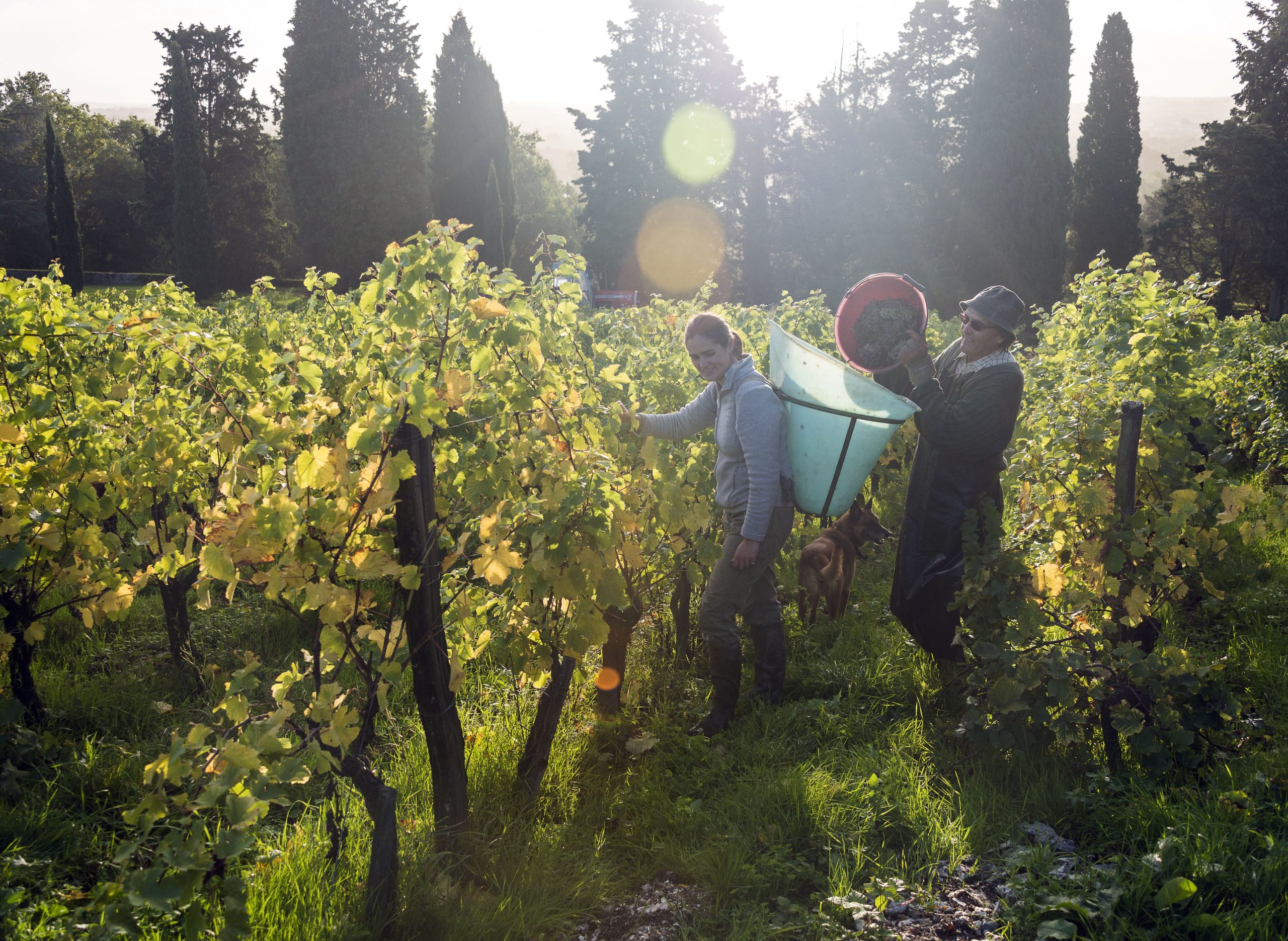
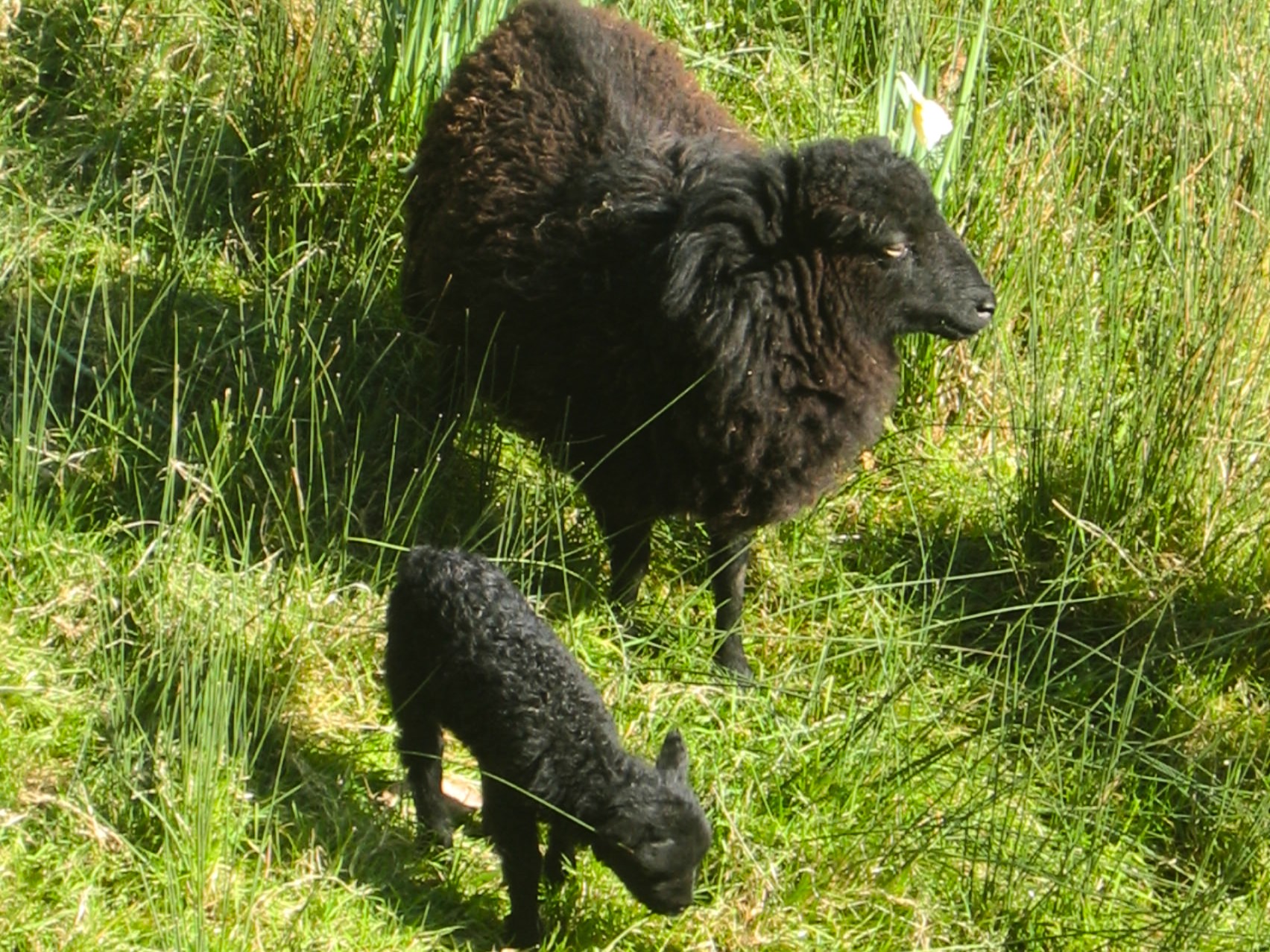
Since the estate does not resort to any “cosmetic surgery” in the cellar—which often makes the wine more appealing at the expense of its authenticity—it works throughout the year to help the vines draw nourishment from the unique characteristics of its schist soils, absorbed by the roots, and from the microclimate captured by the leaves. In addition to biodynamic preparations, throughout the winter, Ouessant sheep tend the vineyards like true gardeners.
Starting in the spring, various herbal teas help mitigate potential climatic extremes. Thyme—or, more broadly, other members of the Lamiaceae family (such as lavender, oregano, savory, and sage)—warm the soil and can provide protection against frost. The numerous nettle infusions support sap flow, especially during periods of drought, which helps boost photosynthesis and thus allows the grapes to reflect the unique climatic characteristics of the vintage.
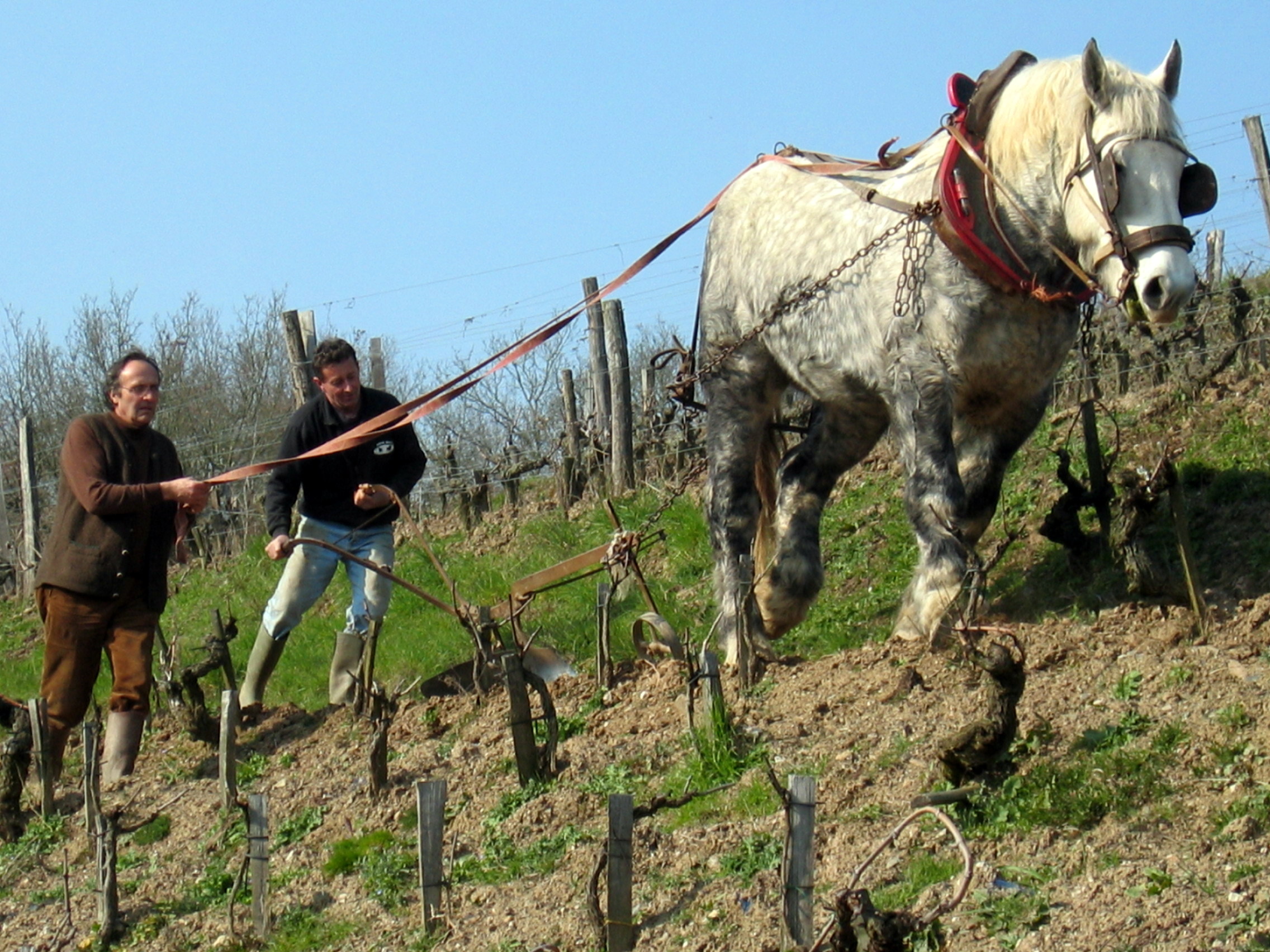
To limit the negative effects of monoculture on vineyard land, plots eligible for the appellation are intentionally left as pastures or wooded groves, with an almost constant presence of various animals (donkeys, horses, goats). A herd of ten cows and a Nantes bull (a breed threatened with extinction in 1985), raised on the estate’s land, provide the necessary annual manure. This practice has been in place for 40 years, and thanks to the quality of the terroirs, the wines express flavors that are 100% derived from nature. At this point, wine is therapeutic !
AT THE VINEYARD
A few examples of practices that are prohibited in the wine cellar
RECOMMANDATIONS
Showcasing Our Wines at a Tasting
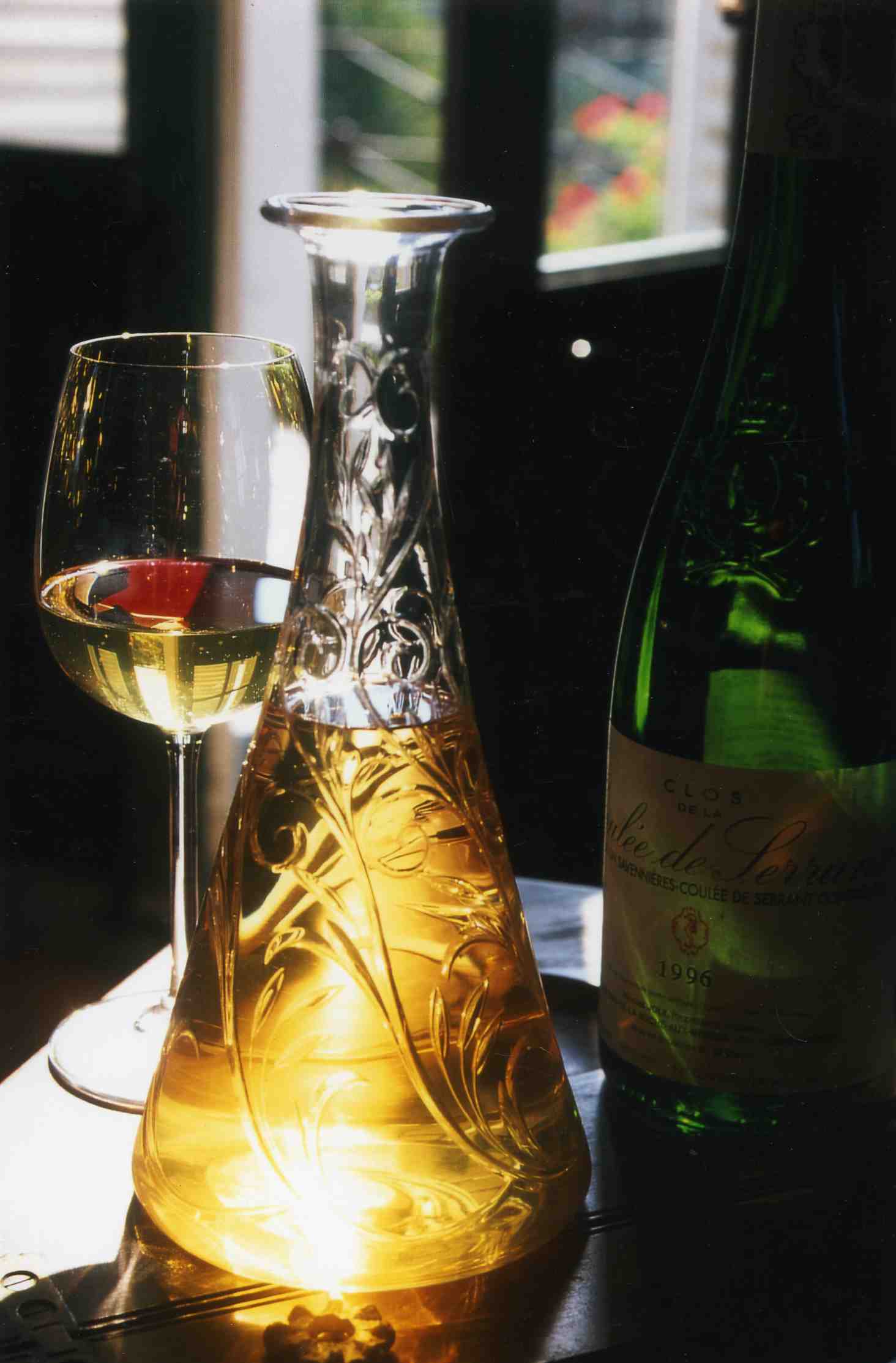
Wine made from high-quality grapes, grown using very sound agricultural practices, benefits from oxidation for a long time before it begins to suffer from it. In a half-full, recorked bottle, our wines are often at their best after three to four days.
Due to the ripeness of the grapes, the wines display a pronounced golden color, which should in no way be attributed to oxidation. Sometimes, botrytis (also known as noble rot) may be detectable.
Depending on the vintage, the wines may be bottled with a higher CO₂ content, which arises naturally from fermentation. This greatly aids the wine’s aging potential and allows for reduced sulfur content. A slight effervescence may occasionally occur, especially in younger vintages; aeration eliminates this phenomenon.
Our wines should, if possible, be decanted several times or opened 24 hours in advance if they are less than five years old. Serve at cellar temperature, which is a minimum of 13°C (we recommend 14–15°C). A half-full, recorked bottle will improve over several days when stored outside the refrigerator.